
How to Transport and Store Nitrous Oxide Cylinders Safely?
2025-08-11
As the demand for nitrous oxide (N2O) continues to grow in the electronic, culinary, medical, and industrial sectors, it's essential to understand how to properly transport and store nitrous oxide cylinders, including those used as cream chargers.
Whether you're a wholesaler, distributor, or end user, safe handling not only ensures regulatory compliance but also protects your staff, property, and customers.
Here's a practical guide to help you stay compliant and safe.
Transportation Guidelines for N2O Cylinders
Transporting N2O cylinders involves more than just loading them onto a truck. As a compressed gas classified as a Dangerous Chemicals (DG), there are strict protocols to follow.
1. Know the Regulations Before You Ship
Before shipping nitrous oxide cylinders, consult your local customs office or regulatory agency to understand what certifications, documents, or declarations are required for transporting or selling N2O in your country or export destination.
In some regions, special permits or licenses are mandatory for handling pressurized or hazardous chemicals.
2. Use Certified Vehicles for Hazardous Transport
N2O gas should only be transported using vehicles certified for dangerous goods, especially if in bulk. These vehicles are designed with proper ventilation and safety mechanisms to reduce risk in case of leakage or temperature fluctuations.
3. Follow Local Routes & Restrictions
Some roads, tunnels, and urban zones may prohibit hazardous material transport. Always verify approved transportation routes, curfews or restricted hours and local guidelines for chemical logistics
Ignoring these rules could result in legal penalties or transport delays.
4. Secure Cylinder Position During Transit
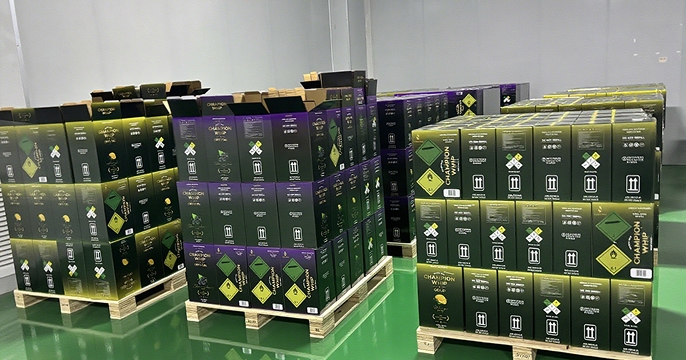
Ensure all N2O cylinders are positioned upright and stable inside the vehicle. Most shipping boxes include arrows or orientation labels (e.g., “This Side Up”)—follow them strictly to prevent leaks or internal pressure shifts.
Avoid stacking in unstable formations, and use protective brackets if necessary.
Storage Guidelines for Nitrous Oxide Cylinders
Once your cream chargers or large N2O tanks arrive, proper storage becomes the next priority. Poor storage can lead to gas leakage, product degradation, or even safety hazards.
1. Compressed Gas Warning
Nitrous oxide cylinders contain E942 food-grade compressed gas under high pressure. Always treat them as hazardous even if they're small cream chargers.
2. Keep in a Cool, Dry Place
Store your cylinders in a well-ventilated, cool, and dry location—ideally below 25°C (77°F). Avoid humid basements or enclosed storage rooms that trap heat.
3. Avoid High Temperatures
Never expose N2O cylinders to temperatures exceeding 50°C (120°F). Prolonged heat exposure may increase internal pressure and lead to rupture or leakage.
4. Keep Out of Children's Reach
Store all cylinders in locked cabinets or restricted access areas, far from children or unauthorized personnel. Nitrous oxide misuse, including inhalation, can pose serious health risks.
5. Always Store Upright
Cylinders should be stored in an upright position, not horizontally. This helps maintain internal gas-liquid separation and reduces valve stress.
6. Prevent Misuse and Inhalation
While nitrous oxide is used in food preparation, improper use—especially inhalation for recreational purposes—is extremely dangerous. Always label storage areas clearly and train your staff on proper handling.
✅ Final Tips for Safe N2O Handling
Check all cylinder packaging before transport
Ensure labeling complies with local regulations
Rotate stock: use older inventory first
Report any rusted, damaged, or leaking cylinders immediately
Work with reliable suppliers like Champion Whip who provide full technical documentation and safety certifications
Safety First, Quality Always – Trust Champion Whip
At Champion Whip, we're committed to providing premium food-grade nitrous oxide and ensuring it's handled with care from production to delivery.
Whether you're storing cream chargers or transporting bulk N2O cylinders, following the proper guidelines keeps your operation safe, legal, and efficient.
Need guidance for your country's regulations? Contact our team for support on international shipment or safe storage practices.

Elevate Your Creations with
Champion Whip
Explore our premium whipped cream chargers – designed for perfectionists.
View our Products


